


For many homebuyers, the benefits of energy efficient homes can seem a bit vague. In reality, the concept is simple: using less energy to achieve the same level of comfort. In a well-designed new build home, that means staying warm in winter, cool in summer, and reducing household bills while lowering your environmental impact.
As energy prices fluctuate and sustainability becomes a bigger priority, energy efficient homes are becoming the preferred choice for modern buyers. According to the Home Builders Federation (HBF), new build homes cost around £1,574 per year to run, compared to £1,995 for an average older home, and up to £2,192 for the least efficient properties.
That’s a saving of £421 per year on average, rising to £618 annually compared to inefficient homes. At the same time, these homes produce around 50% fewer carbon emissions, making them a smart choice both financially and environmentally.
Energy efficient homes are the result of decades of improvement in construction standards.
Homes built in the mid-20th century prioritised speed over performance, with little emphasis on insulation or energy use. By contrast, modern homes are designed to meet strict efficiency standards.
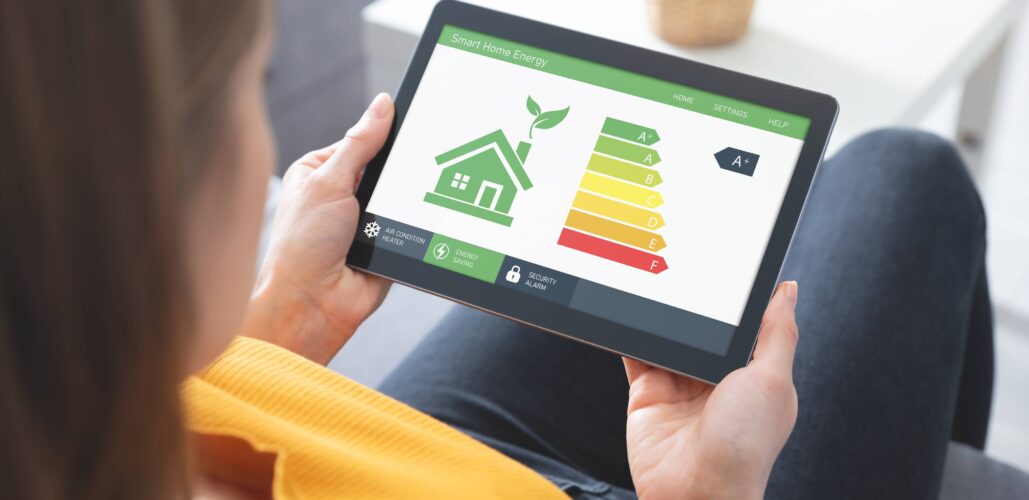
Today, the difference is clear. The HBF’s Watt a Save report shows that around 87% of new-build homes achieve an EPC rating of A or B, while fewer than 5% of existing homes reach this level.
Advances in materials, technology and design have transformed housebuilding, creating homes that deliver both comfort and efficiency from day one.
The real advantage of energy efficient homes lies in how they perform every day, in every season.
Modern homes are designed as complete systems, where each element works together to reduce energy use:
As a result, older homes use around 46% more energy than new builds, leading to higher running costs.
This efficiency doesn’t just help in winter. In summer, insulation and glazing also reduce heat build-up, keeping homes cooler without the need for energy-intensive cooling systems. As UK summers become warmer, this is an increasingly valuable benefit.
Energy efficient homes also provide protection against rising energy costs. Global events, including the war in Ukraine and instability in the Middle East, have shown how quickly prices can change. By using less energy overall, these homes reduce reliance on external supply and make household costs more predictable.
Taken together, this means lower bills, improved comfort and greater resilience all year round.
Energy efficient homes are becoming increasingly desirable in the UK property market.
Buyers are paying closer attention to running costs, which means homes that are cheaper to operate are often more attractive. Features such as solar panels, EV charging points and low-carbon heating systems can contribute to higher resale values.
New build homes with these features often achieve 5–6% higher values than comparable older properties. On a £300,000 home, that equates to around £15,000 of added value, reflecting the appeal of energy efficiency and modern design.
This makes energy efficient homes a strong long-term investment as well as a practical choice for day-to-day living.
Alongside financial savings, the environmental impact is significant. The UK’s housing stock accounts for close to 20% of national carbon emissions, making improved efficiency a key part of reaching net zero targets.
Energy efficient homes reduce demand on the grid by using less power for heating and hot water, particularly during peak winter periods. This helps limit reliance on fossil fuels and supports the transition to renewable energy.
As technology continues to advance, the gap between older properties and new builds will only widen, further strengthening the case for energy efficient homes.
Cannon Kirk Homes combines energy efficiency with high-quality construction, delivering homes designed for modern living.
Each development is carefully planned to balance design, practicality and sustainability. High-performance materials, efficient heating systems and thoughtful layouts all contribute to lower energy use.
At Highfields Green, this approach is clearly visible. Renewable energy systems, smart heating controls and considered landscaping create homes that support a more sustainable way of living.
Homes are built with features such as:
Developments also include wildlife-friendly features and sustainable drainage systems, ensuring they work in harmony with the surrounding environment.
At Cannon Kirk, we continue to refine our approach to building energy efficient homes.
Our latest specification brings together comfort, efficiency and long-term durability. Homes at Highfields Green in Littleport, Cambridgeshire are designed to perform exceptionally well, offering lower running costs and a more sustainable way of living.
With modern features, established landscaping and a strong sense of community, Highfields Green demonstrates how thoughtful design can deliver lasting value.
The move towards energy efficient homes represents one of the most important shifts in modern housebuilding.
For buyers, the benefits are clear: lower costs, greater comfort and a home designed for the future. For developers, it’s an opportunity to raise standards and deliver better, more sustainable homes.
As the market continues to evolve, energy efficient homes are becoming the new benchmark for modern living, and Cannon Kirk is proud to be part of that progress.
The most energy efficient house is one that uses minimal energy to provide maximum comfort, often combining high levels of insulation, airtight construction, and modern heating systems such as heat pumps or solar technology. In the UK, homes rated A on the Energy Performance Certificate (EPC) scale are considered the best performers. New build developments like those created by Cannon Kirk are excellent examples, offering energy efficient homes that maintain warmth in winter, stay cool in summer, and keep energy bills to a minimum.
On the EPC scale, A is the highest and G is the lowest. A-rated homes are the most efficient, producing fewer carbon emissions and using far less energy than older G-rated properties. Almost all energy efficient homes built today by leading developers like Cannon Kirk achieve A or B ratings as standard, meaning they meet the highest performance benchmarks and significantly reduce running costs.
An energy efficient home is one designed to waste as little energy as possible. This means superb insulation in walls, roofs, and floors; advanced double or triple glazing; efficient heating and ventilation systems; and smart technologies that manage energy use intelligently. Energy efficient homes like those built by Cannon Kirk also feature solar panels, EV charging points, and water-saving systems, helping homeowners save money while protecting the planet.
An energy rating of D is considered average for older homes, but it falls short of modern standards. While D-rated homes perform reasonably, they typically require upgrades, such as better insulation or newer heating systems, to match the comfort and cost-efficiency of today’s energy efficient homes. For comparison, Cannon Kirk’s new homes are built to A or B standards, meaning homeowners enjoy much lower bills and a smaller carbon footprint from day one.
Houses that are not energy-efficient often lack insulation, have outdated boilers, draughty windows, or poor ventilation. These properties lose heat quickly, rely heavily on fossil fuels, and cost more to run. By contrast, new build energy efficient homes are carefully designed to eliminate these problems through modern materials, sustainable construction methods, and precise craftsmanship, areas in which Cannon Kirk excels.
Many developers are now focusing on sustainability, but Cannon Kirk stands out for its long-term commitment to energy performance and environmental responsibility. With innovations like our latest Highfields Green specification, including solar panels, high-performance insulation, and smart heating controls, Cannon Kirk is building very energy efficient homes. Each development reflects the company’s dedication to craftsmanship, comfort, and a cleaner future for homeowners and communities alike.